.png)
The Watermelon Paradox
- ANKAA Project
- 3 days ago
- 2 min read
We downsized the watermelon. What else did we quietly leave behind?
The one that fed twelve
There is a version of summer that most of us remember or have heard described, a table outside, a knife, and a watermelon so large it required two hands to carry and at least three people to finish. Seeds everywhere, juice running down wrists, everyone leaning in at the same time.

The one you carry home alone
That watermelon still exists. But increasingly it has been replaced by something else: a small, seedless, or a pre-portioned version, often already cut and wrapped in plastic, designed to be carried home alone and eaten at the kitchen counter, maybe shared with one other person if you are lucky enough to have them around on a random Tuesday evening.
It did not shrink by accident
The small watermelon you carry home today did not arrive by accident. It took decades of calculated breeding to make it seedless, portable and convenient, engineered to remove the mess, the seeds, and, quietly, the occasion.
Nobody made a conscious decision to stop gathering around the big watermelon. It happened gradually, through the slow disappearances of convenience, smaller households, faster lives and the kind of unplanned communal moments that do not survive the algorithm. The pre-cut watermelon is perfectly optimised for a life lived mostly alone, or in units too small to justify buying something that feeds twelve.
What we quietly agreed to give up
There is something in this that feels worth sitting with, not nostalgia exactly, but more like a question about what we have agreed to give up without quite noticing. The big watermelon required infrastructure: a table, a gathering, the willingness to make a mess together and argue about who gets the heart. The small one requires nothing except a fork and a willingness to eat alone.
We think about this at ANKAA, perhaps more than is reasonable, because the work we do is fundamentally about creating the conditions for people to share a table. Free classes, a community laundry, an open lab, a space at Ithakis 29 where the door stays open and people find reasons to stay longer than they planned. None of it is efficient. All of it is necessary.
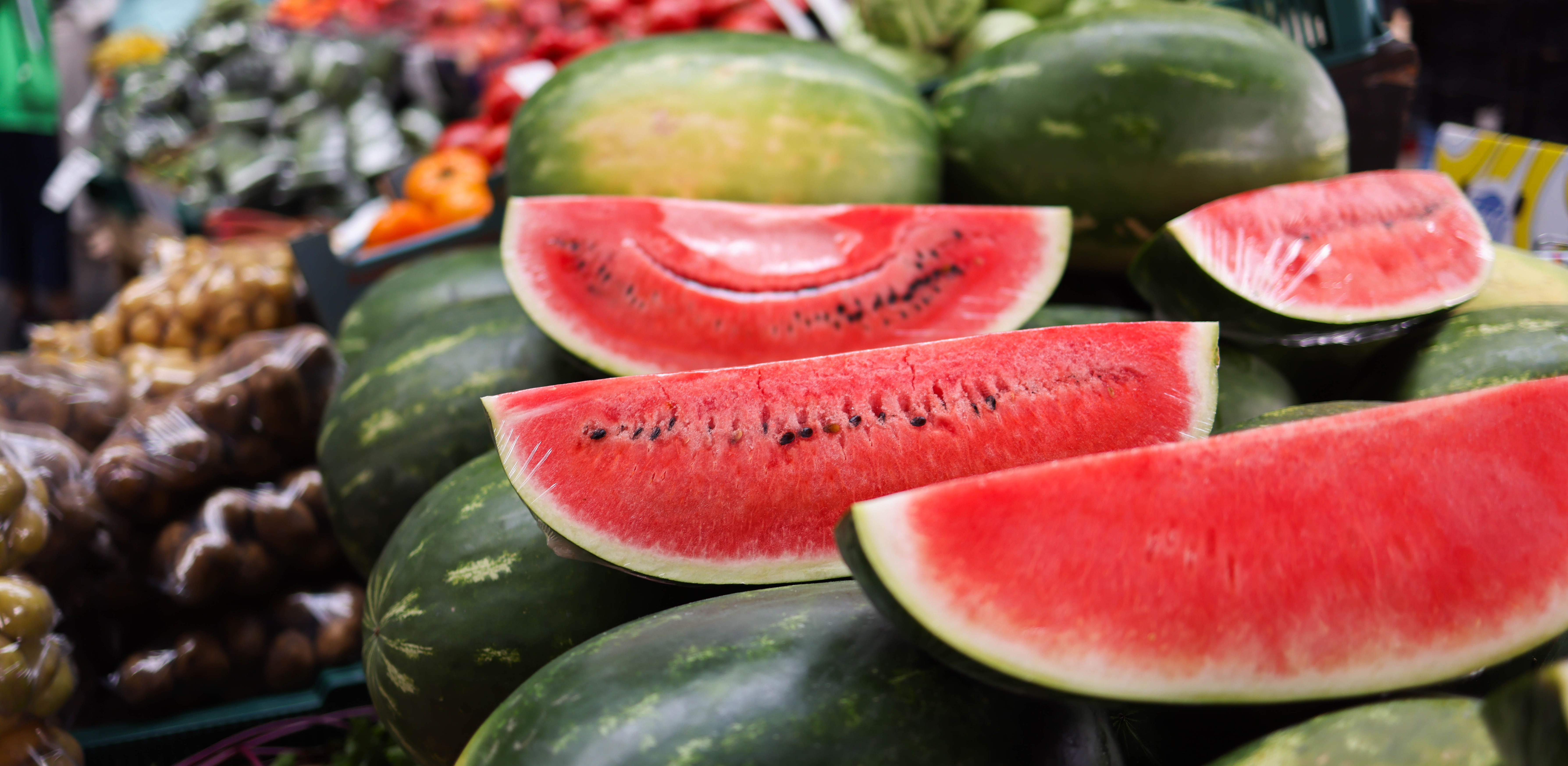
It is still red inside
The watermelon is still red inside. That has not changed. But what it means to eat one together, and how rarely we do, feels like a small and telling thing about the shape of the world right now.
If you enjoyed this reflection and want to make sure we keep going, you can support ANKAA with a one-off donation or a yearly subscription.